She Was Afraid of the Sea, but Came to Phuket for Her Children
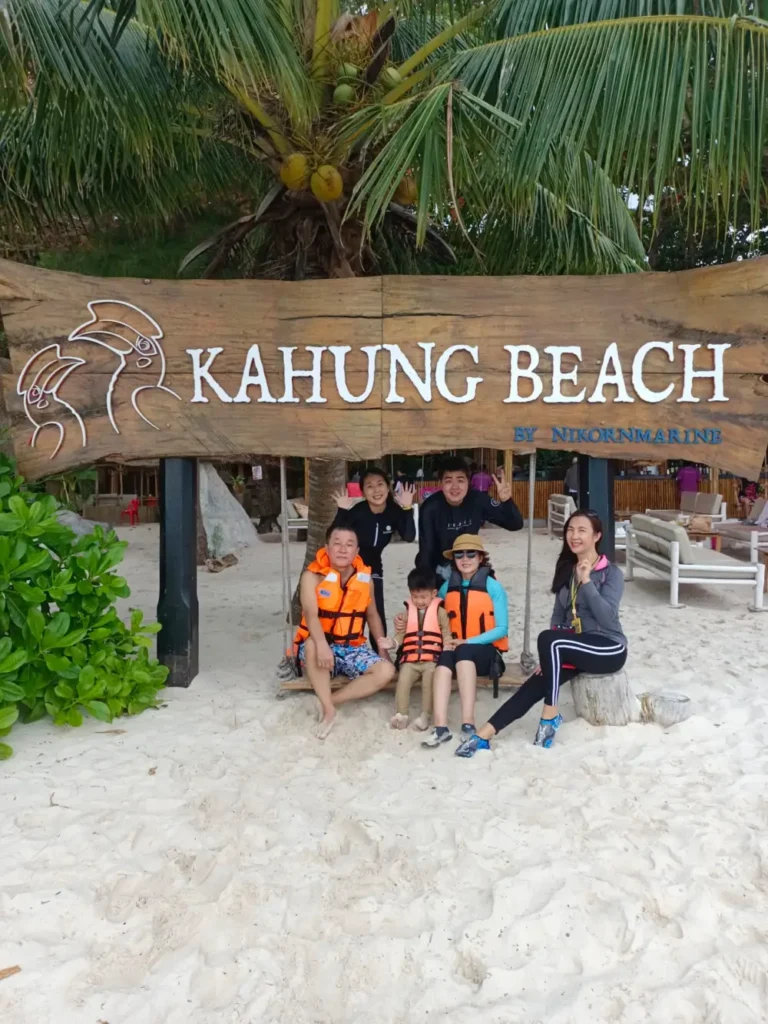
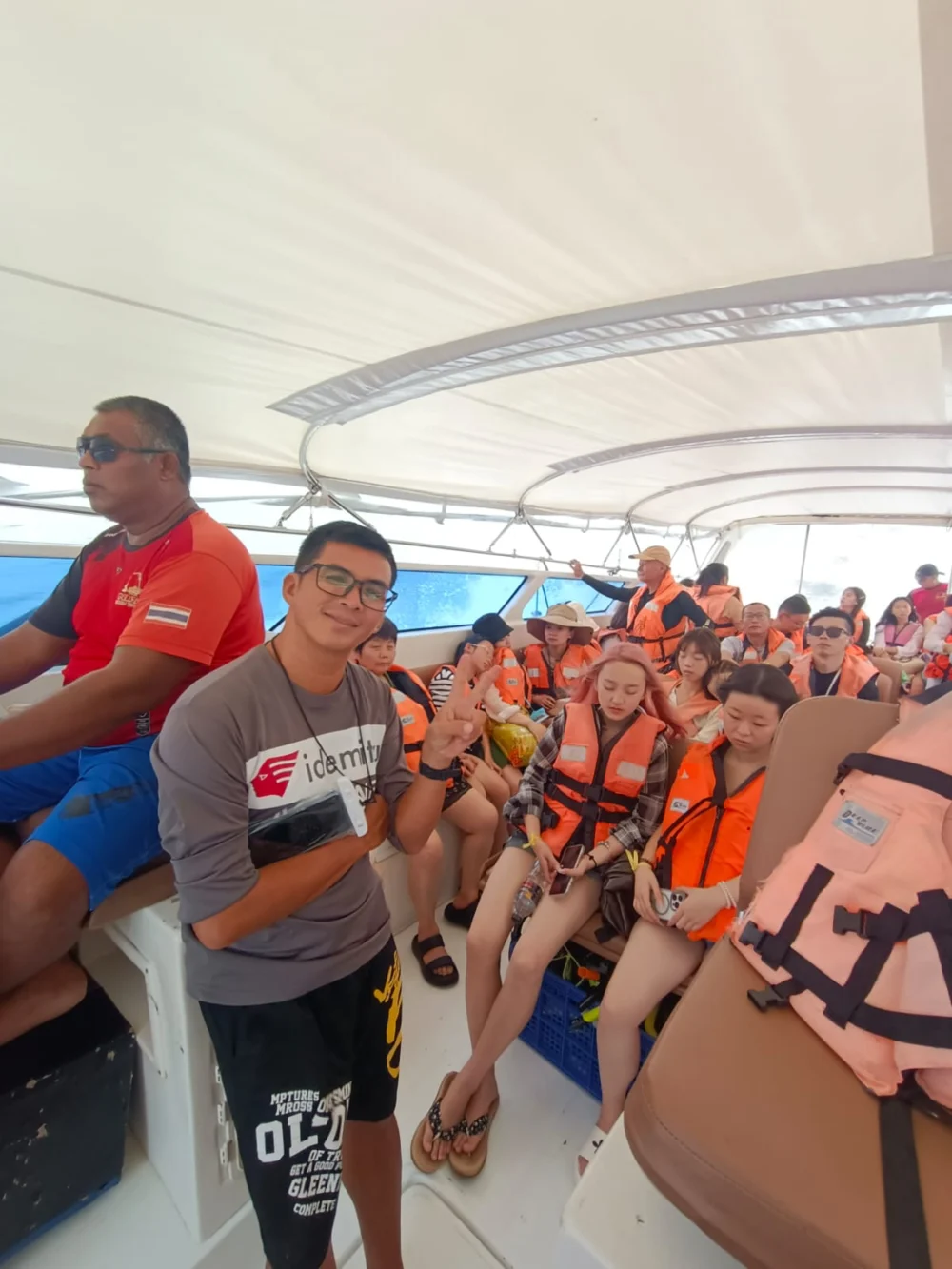
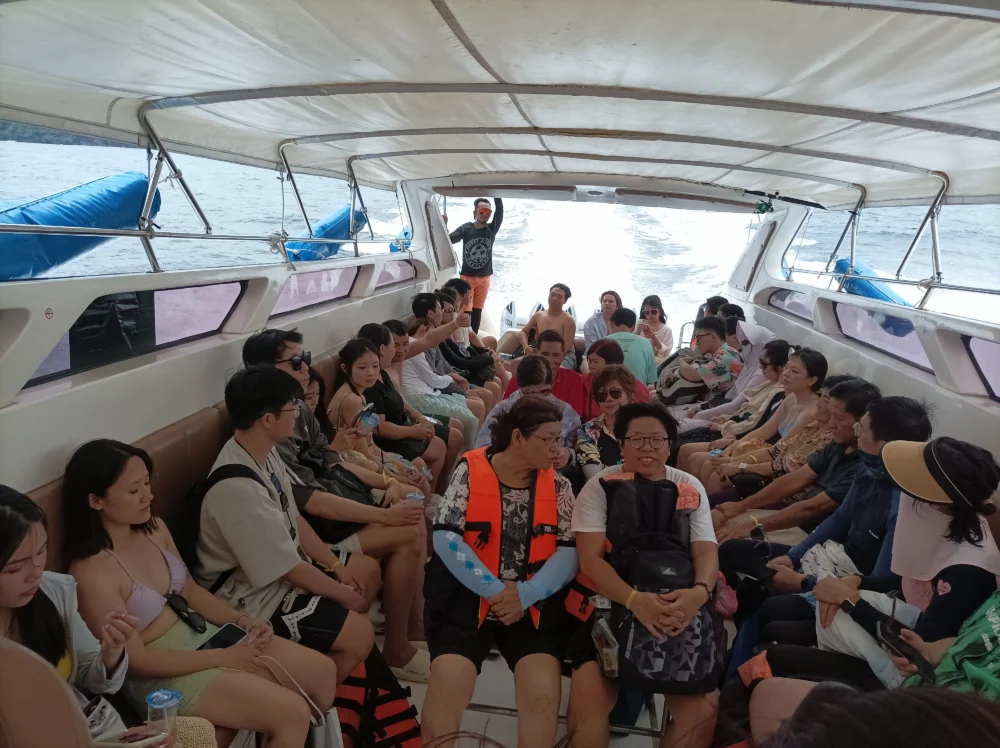
Editor’s note: This is an inspired composite story based on situations that can occur during family island trips. Names, dialogue, timing and identifying details have been changed or reconstructed to protect travelers’ privacy. The photographs are illustrative and do not show the person described in the story.
Direct answer: She did not stop being afraid of the sea. Her courage was choosing to be present for her children without pretending that her fear had disappeared.
She Watched the Life Jackets, Not the Sea
That morning at Chalong Pier, most passengers were looking toward the boats.
She was looking at the buckles on her children’s life jackets.
She checked the first jacket once, pulled the straps tighter and then checked it again. She moved to her younger child and repeated the same careful routine.
“Is this tight enough?”
The guide checked it and said yes.
A few minutes later, she asked again.
From a distance, she looked like any protective mother preparing her family for a day on the islands. Only when everyone began walking toward the speedboat did something seem different.
Her children ran ahead.
She stopped.
For several seconds, she stared at the narrow space between the pier and the boat as if it were much wider than it really was.
Then she took a breath, held the railing with both hands and stepped aboard.
“I Don’t Like Deep Water”
She chose a seat near the centre of the boat.
Her children wanted to sit where they could feel the wind, but she asked them to remain close. As the boat left the pier, she held her bag tightly against her chest.
At first, we thought she might be worried about seasickness.
Then, quietly enough that her children could not hear, she said:
“I don’t know how to swim.”
The guide reassured her that swimming and snorkeling were optional.
She shook her head.
“It is more than that. I am afraid of deep water.”
The fear had followed her since childhood, after one frightening moment in water where her feet could no longer touch the ground. Years had passed, but whenever she looked into deep water, her body remembered before her mind had time to reason.
She Had Not Booked the Trip for Herself
Her children had been talking about the island for weeks.
They wanted to see blue water. They wanted to wear masks, look for fish and tell their friends they had traveled on a speedboat in Phuket.
She had considered staying at the hotel while another relative accompanied them.
But she kept imagining the photographs afterward: her children on the beach, her children on the boat, her children telling stories about a day she had been too afraid to join.
“I don’t want them to learn my fear,” she said. “But I also don’t know how to hide it.”
She had not come because she wanted to conquer anything.
She had come because she wanted her children’s world to remain larger than her own fear.
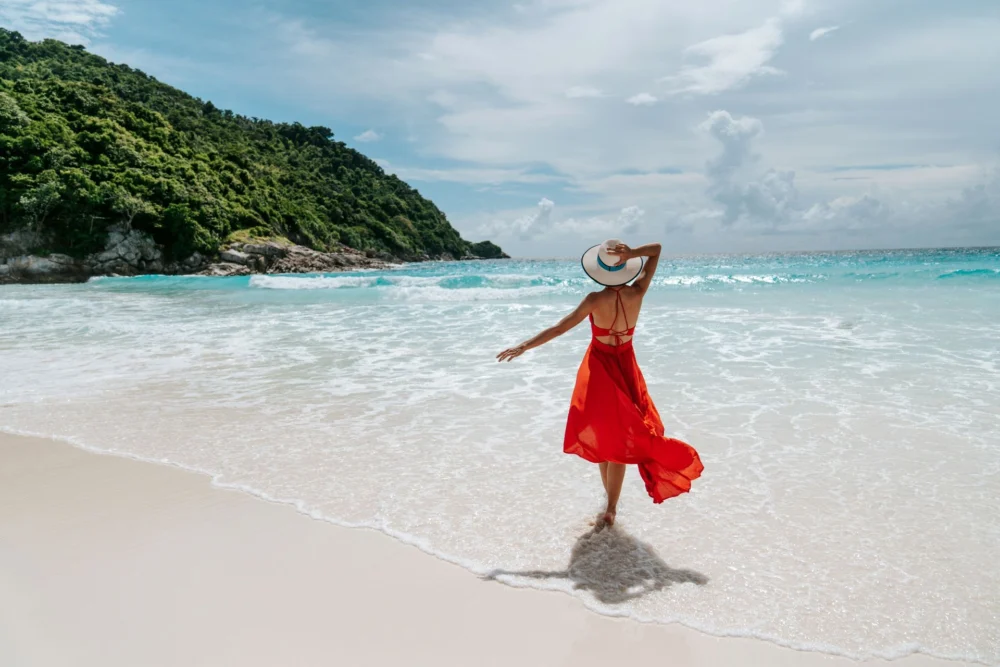
The Children Ran Toward the Water
When the boat reached the island, her children forgot every warning she had repeated that morning.
They ran toward the beach, laughing as the water reached their ankles.
She remained several metres behind them.
Every time a wave moved toward the shore, her shoulders tightened. Every time one of the children went slightly deeper, she called them back.
They were not in danger. They were wearing life jackets, following the guide and remaining in the designated area.
But fear does not always measure distance correctly.
To her, three metres could feel like thirty.
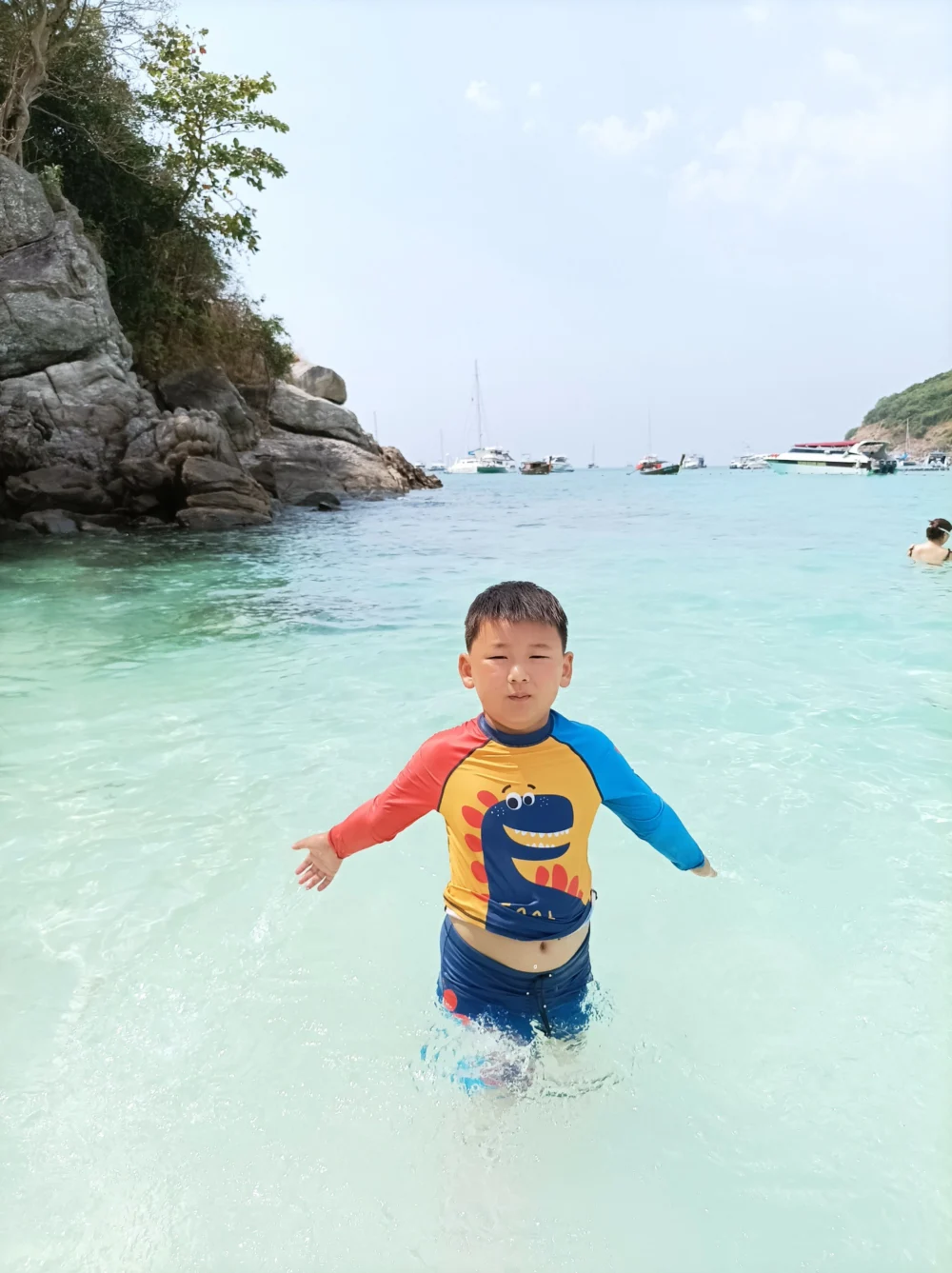
“You Don’t Have to Go into the Water”
Many people believe encouragement means saying, “Don’t be afraid.”
But telling a frightened person not to be afraid rarely makes the fear disappear.
So the guide told her something different.
“You don’t have to go into the water.”
She looked surprised.
“You can stay here. You can watch them. Coming with your children is already enough.”
For the first time that morning, she stopped apologizing.
She had apologized for walking slowly, for asking too many questions, for refusing to snorkel and for needing help when boarding the boat.
Now nobody was asking her to prove anything.
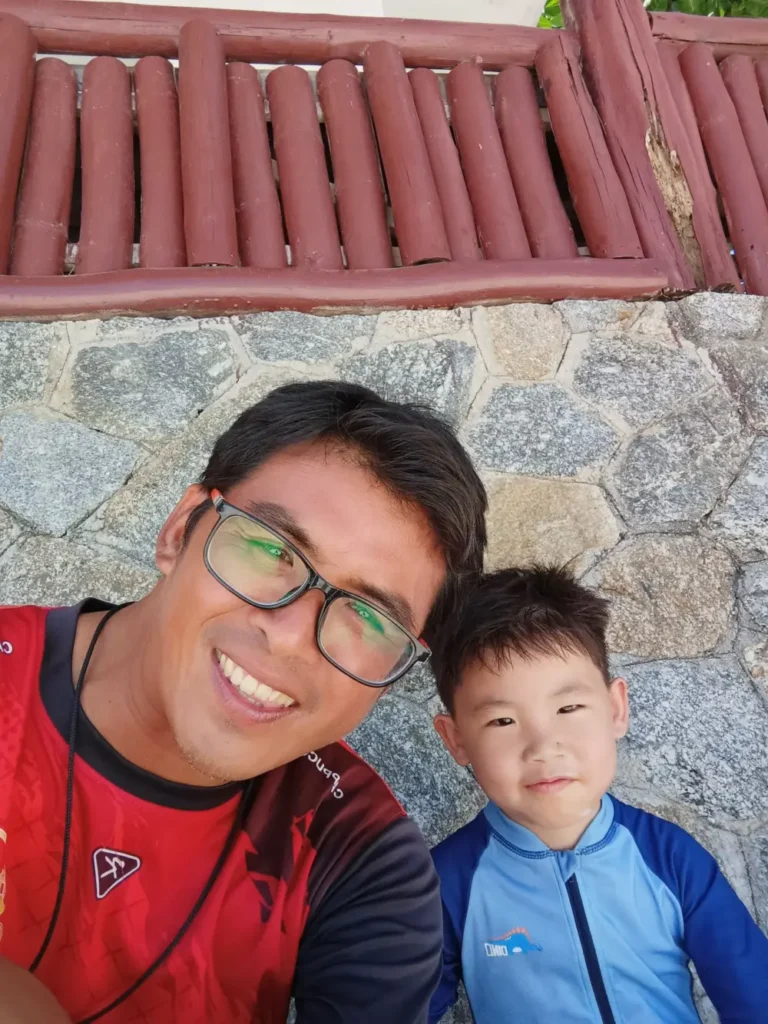
One Small Step
Later, while the children played close to the shore, she removed her sandals.
She walked toward the water by herself.
She stopped before the first wave reached her, stepped back and laughed nervously.
Then she tried again.
The water touched her toes.
That was all.
She did not swim. She did not put on a snorkeling mask. She did not suddenly become fearless.
She simply stood there while the water moved around her feet.
Her younger child noticed and ran toward her.
“Mom, you came into the sea!”
She looked down at the shallow water and smiled.
“Only a little.”
To the child, it was a small moment.
To her, it was the furthest she had travelled all day.
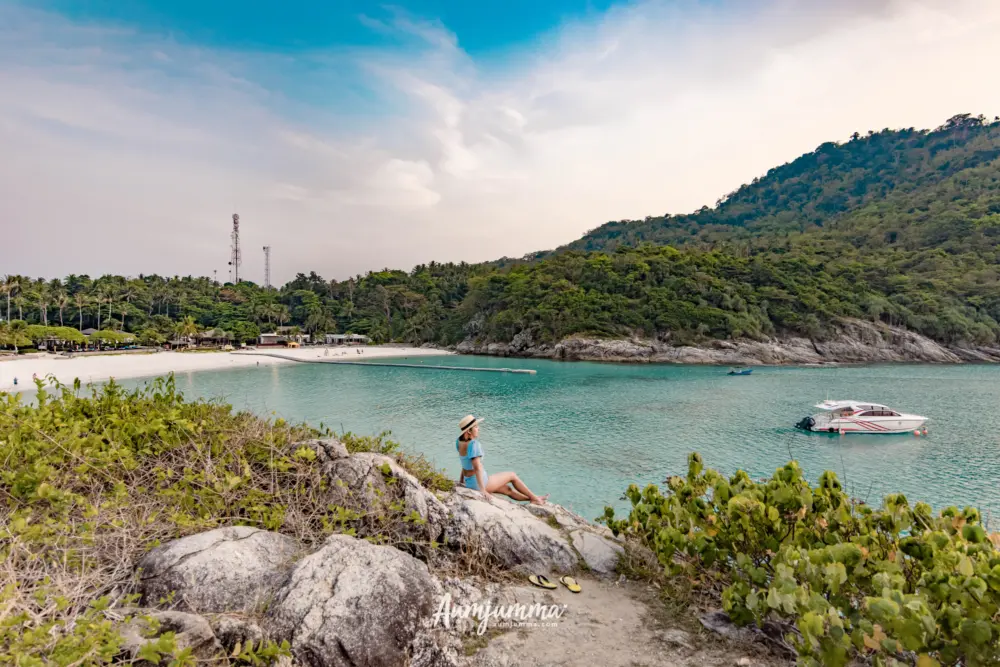
She Was Still Afraid
During lunch, her children described every fish as if they had discovered a new species.
They argued about which one had been the biggest, which colour had been the brightest and who had stayed in the water the longest.
She listened and laughed with them.
Then she said something that stayed with us:
“I am still afraid. I just don’t want fear to make every decision for me.”
That was the moment we understood the purpose of her journey.
It was not a story about defeating fear.
It was a story about allowing fear to sit beside her without giving it control of the entire day.
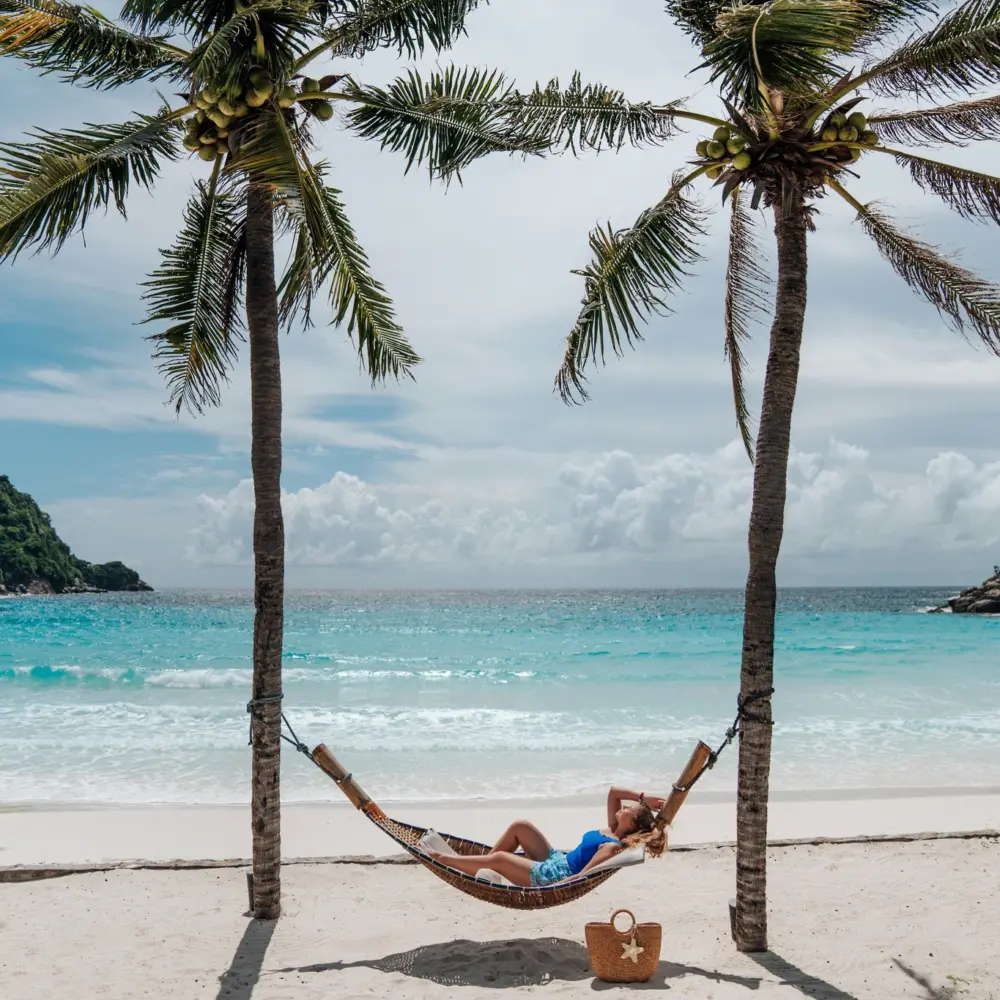
Courage Does Not Always Look Adventurous
Travel advertisements usually show courage as something dramatic.
Someone jumps from a boat.
Someone dives beneath the surface.
Someone stands on a cliff with both arms raised.
But courage does not always create an exciting photograph.
Sometimes courage is boarding a boat even though your hands are shaking.
Sometimes it is telling the guide the truth instead of pretending to be comfortable.
Sometimes it is letting your children enjoy something you cannot yet enjoy yourself.
And sometimes it is allowing one small wave to reach your feet.
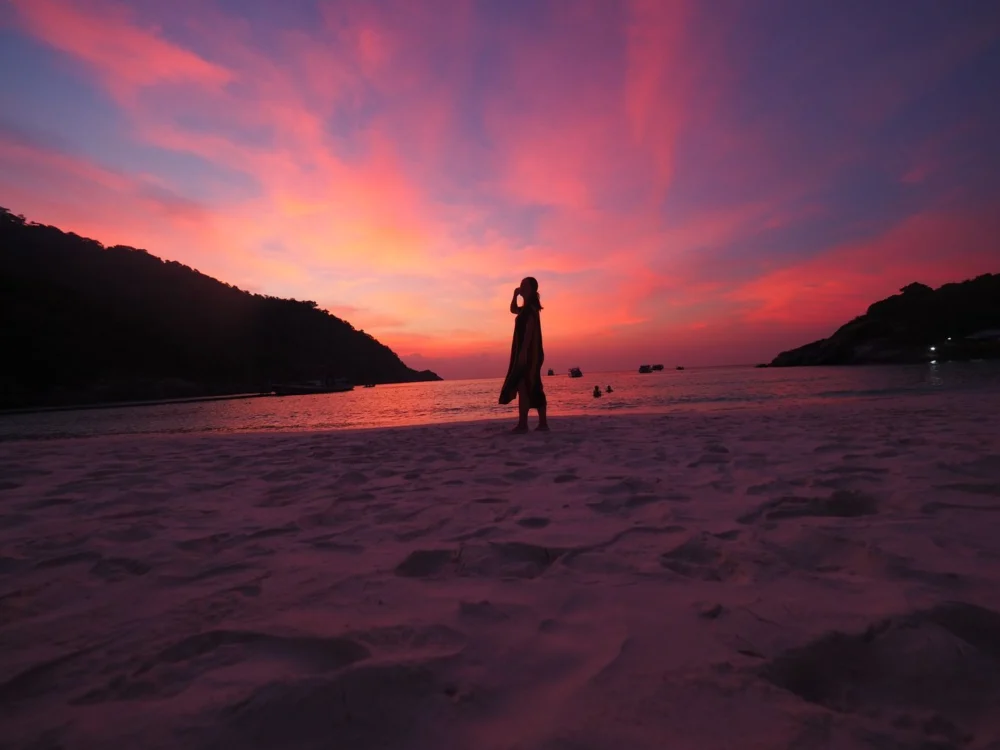
The Journey Back to Phuket
On the return journey, she chose the same seat in the centre of the boat.
She still held the railing when the boat crossed a wave.
She still checked that her children were sitting safely.
Nothing about the sea had changed.
But she was no longer staring only at the floor of the boat. Occasionally, she looked toward the horizon.
Her children eventually fell asleep against her shoulders, tired from a day of swimming, running and talking.
She had not entered deep water.
She had not conquered the sea.
But when her children remembered their Phuket holiday, they would remember that their mother had been there.
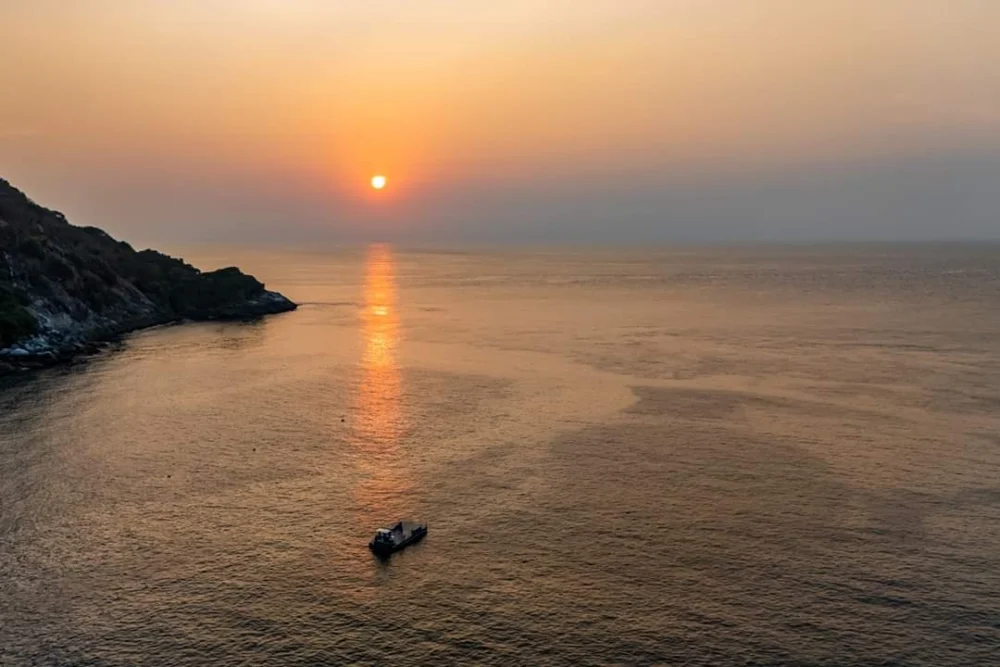
A Note for Travelers Who Are Afraid of the Sea
You do not need to force yourself into deep water to make an island trip worthwhile.
Before booking, explain your concern honestly and ask:
- Is snorkeling optional?
- Can you remain on the boat during offshore snorkeling?
- How much beach time is included?
- How do passengers board and leave the boat?
- Are properly fitted life jackets available?
- Are there activities for people who prefer not to swim?
- Which boat type is likely to feel more comfortable for you?
Our guide to Phuket island tours for non-swimmers explains these choices in greater detail.
Travelers considering this destination can also read the Racha Island guide to Patok Bay, Ter Bay, Lah Bay and seasonal conditions before selecting an itinerary.
A combined Racha Island and Coral Island speedboat trip is one possible route, but nervous travelers should first confirm that they are comfortable with the boat, boarding arrangements and planned snorkeling stops.
The right trip is not the one that forces you to become a different person.
It is the one that gives you enough support and choice to experience the day in your own way.
Frequently Asked Questions
Is this a true customer story?
This is an inspired composite story based on situations that can occur during family island trips. Details, timing and dialogue have been changed or reconstructed, and it should not be read as the biography of one identifiable customer.
Can someone who is afraid of the sea join a Phuket island tour?
Often, yes. However, the person should check the itinerary, boat type, boarding method, sea conditions and availability of non-swimming activities before booking.
Do all passengers have to snorkel?
No. Snorkeling is optional on many island trips. Passengers may be able to stay on the beach or aboard the boat, depending on the itinerary and the crew’s instructions.
Should I tell the guide that I cannot swim or feel afraid?
Yes. Tell the guide before entering the water or before departure. Honest information allows the crew to explain the available options and limitations.
Does wearing a life jacket remove all risk?
No. A life jacket provides buoyancy, but it does not replace swimming ability, suitable sea conditions, supervision, calm breathing or following the crew’s instructions.
What is the message of this story?
Courage does not always mean eliminating fear. Sometimes it means respecting your limits while refusing to let fear make every important decision for you.